

Metaphysics of Awakening the Heart: The Faculty of Truth-Seeing in Christian and Sufi Mysticism

“Those who practice aloneness and unify the divine name kindle the fire on the altar of their hearts. By their pure thought, all the sefirot (divine emanations) are unified and linked to one another until they draw closer to the source of the infinitely sublime flame. Here lies the secret of the unification that a person performs...”
The Essential Kabbalah, by Daniel C. Matt
“Within you dwells a divine treasure--do not bury your heart in earthly things. The door to this castle is prayer and reflection, and your soul must enter with humility, for the One dwells within the center.”
The Interior Castle, by St. Teresa of Avila
Thereafter, your hearts became ossified like stones, or even harder—for indeed, there are stones from which rivers burst forth and others that break apart so that water flows from them. And some rocks fall from heights in complete reverence to God. And God heeds all that you do.
Hearts are of four kinds: a polished heart as radiant as a shining lamp, a sealed heart with a knot tied around it, a heart turned upside down, and a wrapped heart. As for the polished heart, it is the heart of the believer, and its lamp is the light of faith. The sealed heart is the heart of the disbeliever. The upside-down heart is the heart of the hypocrite who recognized (the truth) and then rejected. The wrapped heart is the heart containing both faith and hypocrisy; the part of faith in it is the example of the herb sustained by pure water, and the part of hypocrisy in it is the example of an ulcer thriving on pus and blood; whichever of the two is dominant, prevails.
Mohammed (ﷺ) from Musnad Ahmed
Introduction
Is your heart at ease—or does it carry the weight of unexpressed grief and unanswered questions? Is it broken? And if so, have you ever asked yourself why rather than who?
These are not idle questions. The state of your heart shapes how you see the world, connect with others, and encounter the sacred. In a conflict-ridden world, this is not just spiritual theory—it’s survival.
Because the heart is not just an organ of feeling; it’s the center of perception—where reality is either revealed or distorted.
Faith and the Weight of History
But what shapes that perception if the heart is where reality is revealed or distorted? The monotheistic traditions of Judaism, Christianity, and Islam converge on universal truths: unity consciousness, the call to ethical living, and the promise of spiritual awakening. But history has distorted these truths—not by the essence of the messages themselves, but through human imposition and misinterpretation.
Islam, in particular, has been cast into the global imagination as a distorted reflection of itself. The aftermath of 9/11 turned it into a geopolitical construct—an object of suspicion and fear. A vast spiritual tradition was reduced to headlines, soundbites, and accusations.
9/11 was not just an attack on American soil; it was a rupture in how Muslims were perceived—and how they perceived themselves. Overnight, the Muslim psyche was placed under siege. The weight of collective blame, the pressure to justify or disavow one’s faith, and the internalized fear of being misunderstood fractured how many engaged with their spiritual inheritance.
I was a teenager when it happened. I remember CBC’s Peter Mansbridge, his sombre face on the screen, delivering what felt like a seismic shift. I went to my room and cried, torn between two thoughts: Muslims were the problem, or the West didn’t get it.
It wasn’t a sophisticated argument—but it made sense for a teenager. The real failure is that many adults never outgrew it.
9/11 created a wound—not only of identity but of faith.
This rupture reflects an ancient pattern. The Prophet Muhammad ﷺ warned of humanity’s tendency to drift toward distortion and forgetfulness:
You will follow them step by step, even if they were to enter a lizard’s hole.
Before him, Moses and Jesus issued similar warnings—that humanity would lose sight of the essence and mistake the outer form of faith for its heart.
Today’s lizard’s hole might be the modern fixation on power, materialism, and control. Faith becomes ideology. Spirituality becomes performance. Revelation becomes a commodity.
But the purpose of revelation—whether framed as salvation or liberation—is to guide humanity beyond illusion into the vastness of the Real.
Islam offers tawḥīd, or unity of consciousness through surrender—breaking the chains of ego. Yet history has fragmented and ossified its form, turning what was meant to awaken the heart into a system of control.
The Qur’an warns against this:
But they divided their religion among them into sects—each faction rejoicing in what it has. (Qur’an 23:53)
Division breeds arrogance. Arrogance breeds blindness. The heart that reflects Divine unity becomes fractured, splintered into tribalism and sectarianism—a regression back to the very thing Muhammad ﷺ came to heal and stop.
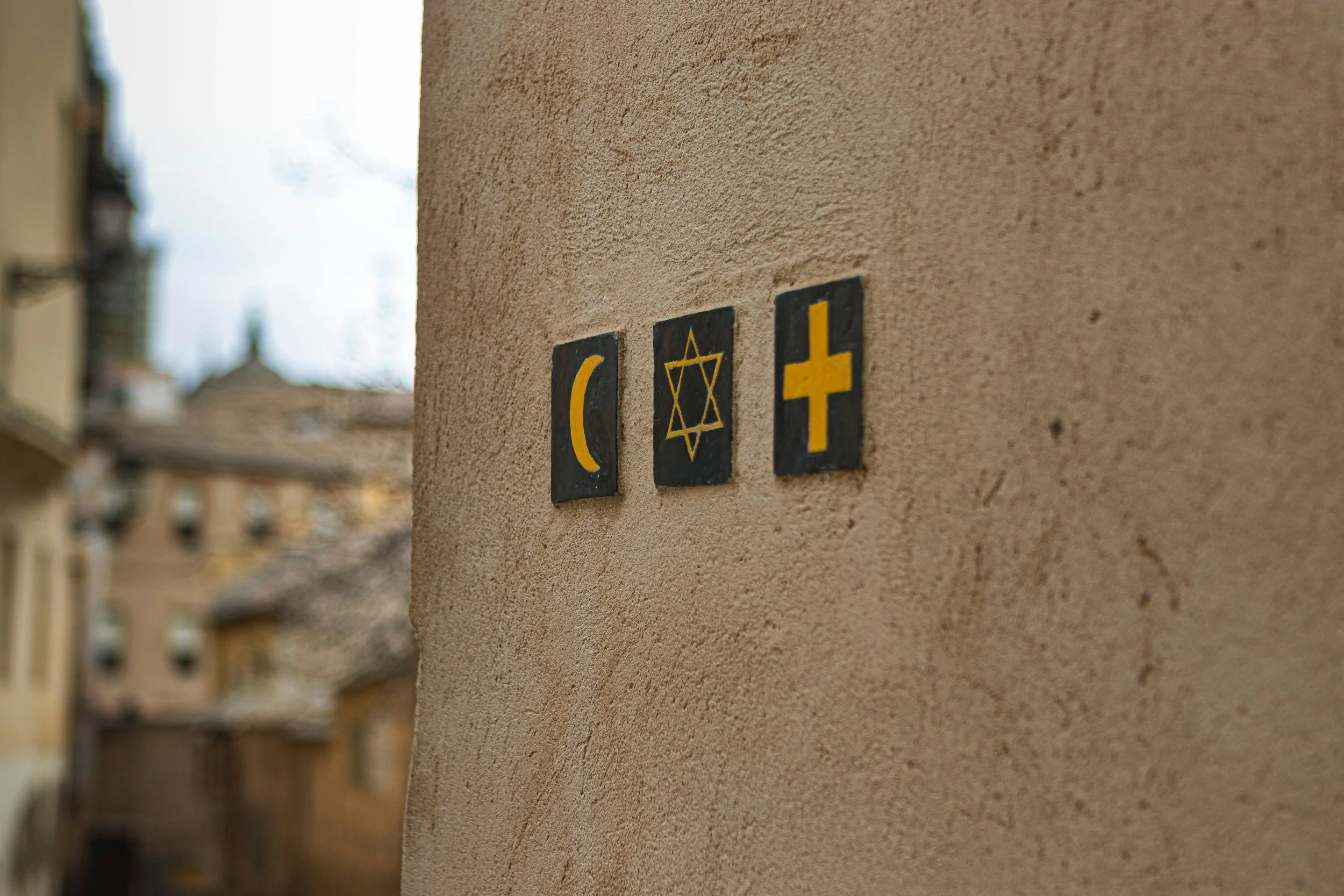
The Forgotten Heart
In all this fragmentation, the heart is often forgotten—not just as a sentiment but as the axis of perception. Across traditions, the heart mirrors Divine mysteries—where light and shadow meet and unveilings occur.
The Sufis teach that the heart becomes a mirror for Divine truth only when stripped of ego and illusion. According to Hakim Chishti, the heart must pass through stages of expansion (sharḥ aṣ-ṣadr) and purification (tazkiyah) to reflect Divine reality.
The journey begins with the ṣadr (the outer heart holding the metaphysical heart). It deepens toward the qalb (inner heart), then the fu’ād (the heart that burns with longing), and finally the sirr (the secret heart) and sirr-u-sirr (the secret of the secret), where Divine intimacy is unveiled.
Here, all separation dissolves.
Christian mystics have echoed this path. St. Teresa of Ávila described the heart as the "interior castle," where the soul journeys through deeper mansions of purification and union. The mystic’s heart becomes a vessel for Divine will—not through mastery but surrender.
My Journey Through Brokenness
On my journey, my ego shattered several times. This is not a proud declaration—it only illustrates its stubborn nature. Between 2019 and 2022, I faced mental health struggles that led me to psychiatric wards more than once, surrounded by suffering in its rawest form.
I was hanging by a thread, lost in despair, with nowhere to turn but inward.
Shutting our hearts does not happen overnight—it begins with the stories we are told about who we are and what we are worth. Trauma distorts perception, closing the heart as a protective mechanism.
But a closed heart cannot reflect Divine reality—it can only mirror fear.
Give wine. Give bread.
Give back your heart to itself,
to the stranger who has loved you all your life,
whom you ignored for another,
who knows you by heart.
— Derek Walcott, “Love After Love”
For the first time, I understood Walcott’s words. My heart was open—waiting all along, quiet, spacious. And yet, it was closed—walled off by years of anger, falsehood, and fear.
I painfully realized that force cannot resolve the paradox of openness and resistance within my heart. The way forward was not to fight it but to feel it fully—holding both the heartbreak and the hope, the weight and the lightness.
Mapping the Interior of the Heart
Al-Ghazali, in The Revival of the Religious Sciences (Iḥyāʾ ʿUlūm al-Dīn), describes the qalb as a polished mirror reflecting Divine truth—yet prone to distortion when veiled by ego and illusion.
In psychological terms, Carl Jung explored a similar terrain. In Psychology and Religion, he describes individuation as the process through which the fragmented self becomes whole—not by eliminating the shadow, but by integrating it.
Jung saw the heart as the symbolic site where the unconscious and conscious meet, the ego dissolves, and a more substantial cohesiveness emerges.
But in Sufi and Christian mysticism, the heart is more than a psychological symbol—it is a vessel for Divine light. Al-Ghazali speaks of the heart as the seat of Divine illumination (nūr)—a reality in constant flux, shaped by the ego (nafs), the intellect (ʿaql), and Divine inspiration (ilhām).
Sufi psychology, as outlined in Al-Qushayri's Risala, maps this process as a layered unveiling of the heart—moving from veiled distraction to radiant stillness.
Jung’s psychological map reflects the human process of becoming whole—but the mystics speak of something more profound: the unveiling of the heart as a reflection of Divine unity. Jung himself was deeply attuned to the spiritual dimension of the psyche, even as he worked within a psychological framework.
Though he broke from Freudian psychoanalysis, he remained grounded in symbolic language that—while richly archetypal—did not always name the Divine as explicitly as the mystics do.
For mystics, integration is not psychological but a spiritual opening.
This journey is not linear but cyclical. One does not simply progress but deepen—returning to the same truths with greater clarity. The heart’s unveiling refines the soul—a process central to The Interior Castle, where St. Teresa of Ávila charts the soul’s movement through seven mansions toward Divine union.
Much like the seven stages of the nafs in the Sufi tradition, her vision traces the transformation from distraction to presence.
When stripped of illusion, the heart becomes a vessel for wisdom.
The heart is not a metaphor.
It is a living map—a threshold to the Real.
In reading this, perhaps you will sense where you stand—
And what may still await.
This is not pantheism. The metaphysical heart is a real locus of perception, and it can become clogged by dense emotions like jealousy and envy and their many offshoots. For this reason, I’ll address the deeper question of annihilation and Divine union in a separate journal reflection.
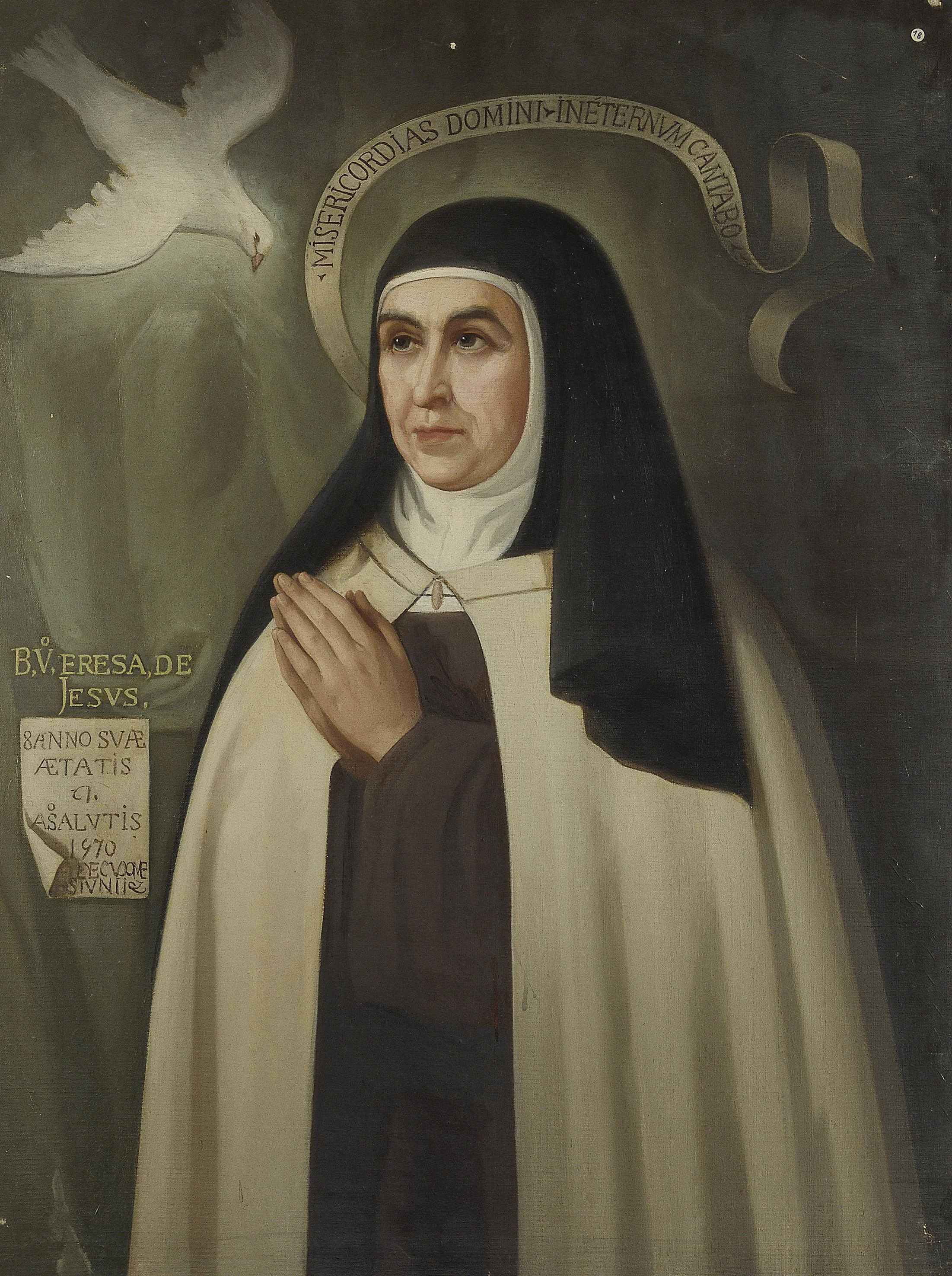
St. Teresa of Ávila and the Interior Castle
St. Teresa of Ávila (1515–1582) conceived The Interior Castle—her masterpiece on the soul’s journey to union with the Divine—amid scrutiny and hardship. Writing at the height of the Inquisition, she faced deep suspicion as a female mystic and reformer.
Her call for spiritual simplicity met resistance from Church authorities and members of her Carmelite order.
Despite fragile health and constant interruptions, Teresa was guided by a vision of the soul as a luminous crystal castle with many rooms, each representing a stage of spiritual transformation. She sought to lead others along this path, offering an antidote to the laxity weakening her community.
In The Life of St. Teresa of Jesus, she critiques the wealth, social ties, and loss of discipline diluting Carmelite convents—concerns led her to found the Discalced Carmelite order, emphasizing asceticism, silence, and contemplative prayer.
Teresa’s reforms and writings reflect a deeply integrated psychology. Despite resistance, she approached her mission with resilience and compassion. Her emphasis on detachment was not reactionary but a means to inner freedom and authentic spirituality.
She understood that spiritual growth requires psychological maturation—facing inner conflict, dissolving false attachments, and balancing surrender with stability.
Her model reflects an awareness that the soul’s journey toward union mirrors the psyche’s journey toward wholeness.
Balancing discipline with joy, she showed that religious devotion could coexist with warmth and humour. Her vision of the soul as layered and dynamic reflects a profound understanding of the psyche that continues to inspire seekers across traditions.
Initially reluctant to write, believing herself unworthy, Teresa yielded to her nuns’ requests for guidance on the conditions for ‘right prayer.’ Drawing from personal experience, she envisioned The Interior Castle as a journey through seven mansions—each a stage of purification and union—culminating in the presence of God at the center.
Think mindfulness (at least in its modern and corporate form)—times a hundred and more, ad infinitum.
The First Mansion: Awakening To the Call
In the First Dwelling, the soul is dimly aware of the Divine presence. It senses something beyond the material world but remains entangled in distractions, anxieties, and self-reliance. St. Teresa describes these souls as surrounded by reptiles—a striking image of the restless mind, the compulsive self (nafs al-ammārah), and the subtle ways the ego resists surrender.
This is the stage of spiritual dryness—scaly to the senses.
I’ve known this place—the restless hum beneath the surface, the pull of compulsive thoughts. I lived most of my twenties in this state—adrift, uncertain of my identity, and unsure of my faith. A morass.
The Divine felt distant, abstract.
Then, at twenty-six, I learned my father had just over a year to live—a potent form of brain cancer took over. Suddenly, I became acutely aware of how shallow my prayers had been—barely touching the surface of my tongue.
My heart was sealed shut, weighted not only by the grief of impending loss but by the complex residues of a childhood I am still unpacking in therapy—eight years and going.
At this stage, the heart is distracted (ghaflah). The ṣadr—the broad outer chest—represents the first layer of the heart, the entry point of spiritual receptivity. A balance between masculine containment and feminine receptivity holds the metaphysical entry point of the spiritual body.
Knowledge (ʿilm) and awareness (maʿrifah) first enter here before descending deeper into the soul. But the ṣadr does not retain light—a threshold easily disturbed by fleeting worldly concerns.
Any imbalance, in this case, distraction, between containment and receptivity threatens to topple the delicate nature of the whole operation.
Yet, eventually, the process of expansion (sharḥ aṣ-ṣadr) occurs here—where a person becomes open to Divine wisdom, and tension arises: the pull of the material world competes with the first stirrings of awakening.
Al-Ghazali would describe the heart of the First Mansion as a clouded mirror—distorted by the resistance that arises when confronted with the shadow, the unconscious aspects of the self.
This resistance traps vital life force energy, impacting spiritual and mental health.
Jung viewed this as a necessary stage of individuation—the point at which the fragmented self begins confronting and attempting to integrate its hidden parts—or the prima materia of life.
And so the qalb—the deeper heart—begins to soften. Unlike the ṣadr, which is broad and easily affected by distractions, the qalb is where accurate perception begins. This is the first moment when the soul suspects something is missing. And yet, fear dominates—fear of losing control, change, and the unknown.
Sufis describe this as the veil of heedlessness (ḥijāb al-ghaflah). The heart has yet to shift from fear to mercy—that belongs to later mansions. Teresa insists that humility and self-knowledge are the keys to moving forward.
Without recognizing its veils, the soul risks mistaking its spiritual yearning for progress, confusing the hunger for union with actual union.
Yet, despite its struggles, the First Mansion is already an act of grace.
To even enter the castle is a mercy.
The soul’s calling is clear.
| Aspect | Description |
|---|---|
| Spiritual Awareness | The soul is dimly aware of the Divine but remains distracted and restless. |
| Symbolism | Reptiles symbolize the ego (nafs al-ammārah) and the restless, untamed mind. |
| State of the Heart | The heart is in the state of sadr—the entry point for Divine wisdom, but still veiled by heedlessness and fear. |
| Challenge | The ego resists surrender; the soul oscillates between fear and longing for truth. |
| Path Forward | Humility and self-knowledge are the keys to progressing beyond this stage. |
Second Mansion: The Struggle To Commit
In the Second Dwelling, the soul is caught in inner conflict. It hears the Divine call more clearly than before, yet the world’s noise has not loosened its grip. St. Teresa describes these souls as being pulled in two directions—they desire God but are still tempted by old habits, people’s opinions, and distractions.
This is a stage of hesitation.
The soul has sensed something beyond the material world but has not fully committed to the path. It oscillates, moving forward in moments of clarity and retreating when discomfort or fear arises.
Here, the nafs al-lawwāmah—the self-reproaching soul—dominates. The soul begins recognizing its veils, but this recognition does not yet translate into surrender. There is an awareness of unity consciousness and a fear of the unknown—a reluctance to truly let go.
The Sufi Understanding of the Heart at This Stage
The qalb (the deep heart) begins to awaken at this level. In contrast to the ṣadr (the outer heart), which is prone to distraction, the qalb is where accurate perception arises. But this perception is fragile—flickering between moments of insight and periods of forgetfulness.
Sufis describe this as the veil of hesitation—wahm—where the heart senses the Real but struggles to release the false.
The soul begins to glimpse the light but remains bound by fear.
Psychological Parallels: Shadow Confrontation
This is the stage where discomfort arises before transformation. The unconscious resists integration, clinging to old patterns.
The seeker may begin self-reflection, but the ego subtly finds ways to escape—rationalizing distractions, procrastinating, or seeking comfort in familiar yet limiting beliefs.
In therapy, we often recognize our patterns—becoming painfully aware of our triggers and emotional responses—yet find ourselves unable to stop the behavior.
Insight does not always translate into change.
For those with severe childhood trauma, this stage is even more complex. The inner critic—formed as a survival mechanism—can become almost violent in its opposition to growth, especially when abuse comes from primary caregivers.
The soul desires healing, but the critic lashes out, reinforcing shame, fear, and self-sabotage.
An Ode To The Anima Mundi
At this stage, the soul knows something is wrong.
It hears the call to love.
But it cannot yet trust that it is worthy of being loved.
And here, we must return to our question:
If our traditions have mapped this terrain so precisely—
if they have spoken to these wounds for centuries—
Then why are we still building systems that deepen them?
Why do our institutions mirror the inner critic, not the Compassionate?
Why is it easier to punish than to understand?
To justify violence than to soften the heart?
The soul in the Second Mansion is not yet ready to choose love over fear.
Neither, it seems, are we.

Robert Frost,
“The Road Not Taken”
Two roads diverged in a yellow wood,
And sorry I could not travel both
And be one traveler, long I stood
And looked down one as far as I could
To where it bent in the undergrowth
Frost’s crossroads reflect the tension of the Second Mansion. The soul stands between two paths: the familiar comfort of the ego and the unknown pull of the Divine. Like Frost’s traveller, the seeker cannot walk both roads simultaneously.
In today’s world, this struggle manifests as the distractions of the digital age—social media, peer pressure, excessive entertainment, and constant stimulation. These are the modern equivalent of the “voices” Teresa describes, keeping the soul from deeper contemplation.
The soul hears the call, but the world’s noise keeps it hesitant.
Challenges of the Second Mansion
Distraction—struggle to maintain focus in prayer and contemplation.
Oscillation—the desire for God is genuine, but commitment wavers.
Resistance—the soul sees its shortcomings but leans on comfort.
Pride—a risk of mistaking intellectual knowledge for actual progress.
The Inner Critic—shame and resistance surface.
Keys to Progress
Consistency in prayer and reflection despite distraction.
Recognizing the tricks of the ego that delay commitment.
Embracing inner silence, even when it feels uncomfortable.
Seeking guidance, as the soul cannot yet trust itself fully.
Meeting the inner critic with compassion.
Compassion and humility help the seeker recognize that resistance is often a survival tactic, not failure. The journey inward has begun, but the soul must consciously choose to commit to the path.
| Aspect | Description |
|---|---|
| Spiritual Awareness | The soul is more aware of the Divine but still influenced by distractions. |
| Symbolism | Voices pulling the soul back toward complacency symbolize the ego’s grip. |
| State of the Heart | The heart is in the state of qalb—perception is growing, but attachment persists. |
| Challenge | The soul fears surrender and resists the cost of deeper commitment. |
| Path Forward | Developing trust and consistency through prayer and discipline. |
Third Mansion: Spiritual Discipline
In the Third Dwelling, the soul has matured in spiritual awareness and grown in discipline and devotion. The distractions of earlier stages have lessened, and the heart has become more stable—but new challenges emerge.
St. Teresa describes this as a place of spiritual achievement—but with achievement comes the hidden danger of complacency and pride.
At this stage, the qalb becomes more receptive to Divine light. The heart is not yet thoroughly purified but is no longer clouded by constant distraction. The soul begins to recognize Divine guidance more clearly. It has learned consistency in prayer and reflection, and the heart feels anchored.
However, this awareness creates the risk of spiritual pride—the belief that one’s discipline and efforts alone have secured proximity to God.
St. Teresa warns that the ego may subtly reassert itself—not as open arrogance but as an attachment to one’s perceived purity. The soul may feel secure in its achievements and compare itself to others.
The Inspired Self and the Subtle Ego
The Third Mansion reflects the station of the nafs al-mulhamah—the inspired soul. The soul has moved beyond the reactivity of the lower self (nafs al-ammārah) and the inner conflict of the nafs al-lawwāmah.
The inspired self is drawn toward goodness and seeks to align with Divine will—but the ego has not yet fully dissolved. A subtle identification with spiritual success remains—the quiet belief that “I have arrived.”
For example, a person who prays regularly, fasts consistently, and engages in dhikr (remembrance) may feel quite superior toward those who don’t follow the same practices. The seeker may judge others’ spiritual expressions as “less sincere” or feel a sense of personal accomplishment for maintaining devotion—forgetting that even the capacity to practice is a gift from the Divine.
The paradox is that the soul feels closer to the Divine,
and yet this very feeling of closeness can become a barrier.
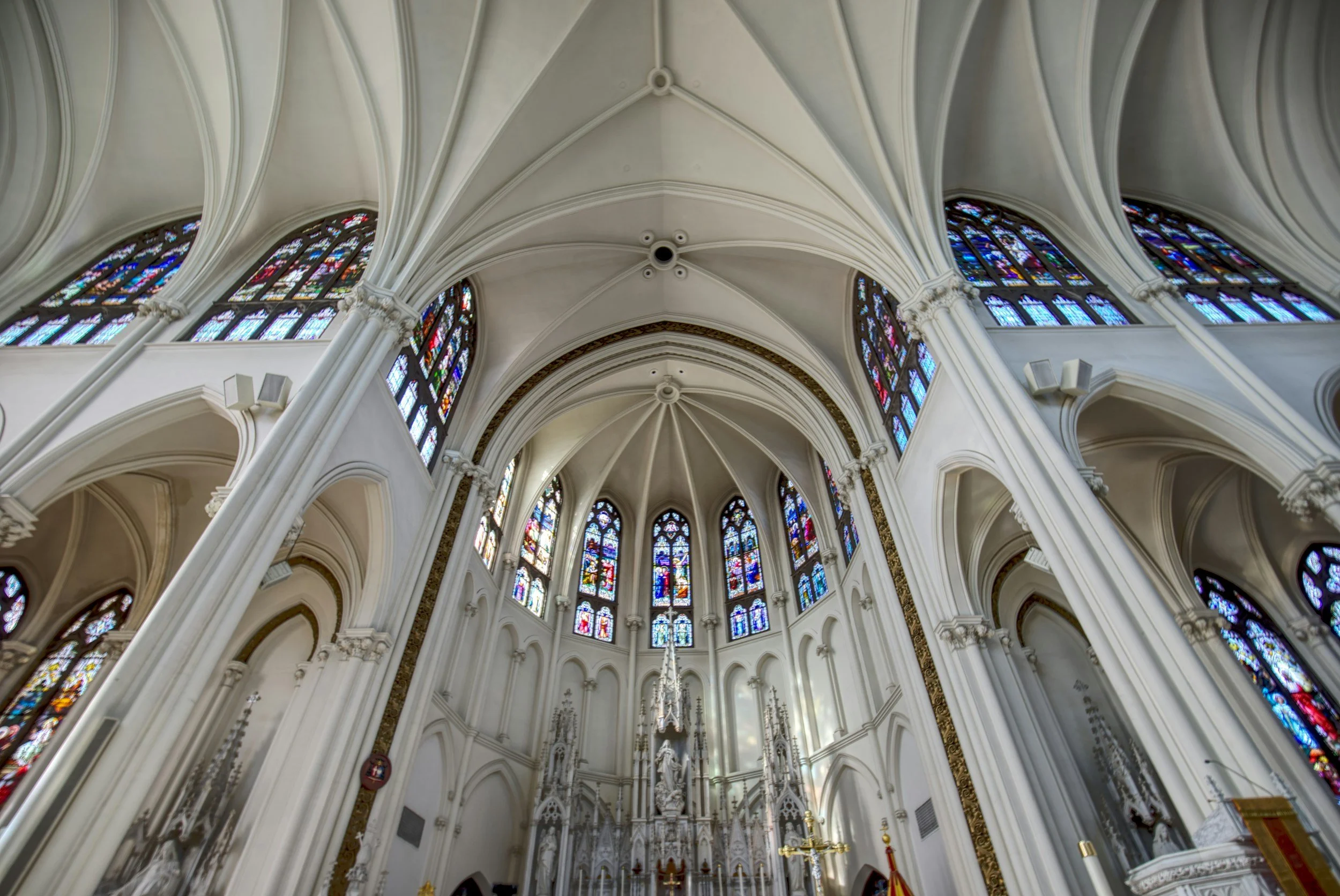
Psychological Barrier: Ego Inflation
The psychological parallel at this stage is ego inflation during individuation. After a period of struggle and shadow confrontation, the psyche may begin to feel whole and integrated.
This creates the temptation to identify with one’s insights and gifts as personal achievements. Someone who has done deep psychological work—perhaps through therapy, analysis, or shadow integration—may feel they have “figured it out.”
After achieving inner peace, the ego may subtly take ownership of this progress, leading to a quiet sense of superiority or an inner feeling of having “graduated” from suffering.
If setbacks or inner conflict re-emerge, the person may feel confused or frustrated, believing they have already reached a higher level of understanding.
St. Teresa’s key warning at this stage is against self-reliance. Humility is essential to avoid this trap. The Sufis consider this one of the more subtle forms of idolatry. A well-known Islamic supplication captures this phase with startling clarity:
O Allah, do not leave me to myself even for the blink of an eye.
The Threshold of Sirr
The heart, now anchored in qalb, begins to glimpse deeper states of receptivity. The pull of the ego still exists, but there is a growing awareness that a deeper union lies in surrender, not effort.
The transition from qalb to sirr (the secret heart) begins here, toward the end of Mansion Three. It represents the innermost chamber of the heart, where Divine presence is experienced directly—not through striving, but through stillness.
A person who has maintained spiritual consistency may feel they have earned closeness to God. When spiritual dryness or emotional difficulty arises, they may interpret it as a personal failure, Divine abandonment, or the dark night of the soul.
The ego may whisper:
“You’ve done everything right—why is this happening?”
The temptation is to do more—to add prayers, rituals, or practices—rather than to sit with the discomfort and trust that God’s presence is not conditional on effort.
To enter the secret heart, the soul must release its attachment to perceived progress. The path forward lies not in doing more but in surrendering more.
The paradox of this mansion is that progress is no longer measured by success,
but by the capacity to release the need for success altogether.Spiritual rigor can create a false sense of security.
This is where the spiritual ego must die—
not through effort, but through trust.Teresa’s teaching at this stage mirrors the Sufi call to fanā—annihilation—
the deep, holy recognition that nothing belongs to you,
not even your devotion.
Practical Keys to Progress
Remain grounded in humility—recognize that spiritual insights are gifts, not personal achievements.
Resist comparison—the spiritual path is not a competition. Everyone’s unfolding looks different.
Open to unknowing—spiritual dryness is not failure but an invitation to deeper trust.
Release attachment to feeling “close” to God—proximity is not proof of progress; sometimes, seeming absence is the more profound test.
Seek silence over striving—stillness, not effort, is the threshold to deeper union.
True surrender lies not in doing more but in learning to trust more. The invitation now is to let go.
| Aspect | Description |
|---|---|
| Spiritual Awareness | The soul is rooted in devotion and begins to experience spiritual consolations. |
| Symbolism | The ego's subtle grip symbolizes the spiritual ego and hidden pride. |
| State of the Heart | The heart is in the state of qalb—spiritual perception is stronger, but pride and self-reliance persist. |
| Challenge | Spiritual pride and reliance on effort alone block deeper surrender. |
| Path Forward | True humility and recognizing that even discipline and longing are acts of grace. |
Fourth Mansion: The Prayer of Quiet
In the Fourth Dwelling, something fundamental shifts. The soul, which has spent the previous dwellings striving—through discipline, prayer, and effort—now begins to taste surrender.
The spiritual journey is no longer solely dependent on human will; God begins to act more directly. St. Teresa describes this as transitioning from active spirituality (where the soul labours) to passive spirituality (where God starts to work within).
For the first time, the soul begins to experience true spiritual consolation—not the emotional sweetness of early devotion, but something more profound: a quiet, interior presence that is not produced by the self but given by God.
The soul is no longer inspired—it becomes content, moving from the state of nafs al-mulhamah (the inspired soul) to nafs al-muṭmaʾinnah (the contented soul).
From Drawing Water to Receiving a Spring
St. Teresa introduces a striking metaphor: the difference between drawing water from a well (the earlier dwellings) and receiving water from a flowing spring (the Fourth Dwelling).
In the previous stages, the soul had to labor—through prayer, effort, and self-discipline—to draw spiritual nourishment, much like hauling water from a deep well.
In the Fourth Dwelling, the soul encounters a spring—a source that flows independently without the soul’s effort.
Spiritual nourishment is now received, not earned.
The soul does not yet fully abide in God—but it is no longer alone.
Interior Stillness and the Danger of Spiritual Pride
Unlike earlier spiritual consolations, which could sometimes be emotional, the Fourth Dwelling brings a more profound interior joy—a stillness not tied to external conditions.
The heart begins to awaken to the Divine presence within itself.
But Teresa warns that this new state is delicate. The soul may not fully understand what is happening, and the ego may still try to grasp the experience, turning it into something personal rather than purely Divine.
A person might feel profound stillness in prayer and mistakenly believe it’s a reward for their spiritual effort. If the stillness fades, the ego may respond with frustration—“What did I do wrong?”—exposing the subtle belief that spiritual grace can be controlled.
The seeker might also desire to recreate the feeling, mistaking spiritual gifts for personal achievement.
Teresa insists that surrender at this stage means letting go of the gift and needing to keep it.
The quiet heart is not necessarily emotionally stirred; it is more profound than a feeling—pure presence.
The Fire Is Now Lit
In the Fourth Mansion, the heart shifts from the qalb (the deep heart) to the fu’ād (the burning heart)—where true longing for God arises.
Divine presence is intensely perceived and felt at the heart's inner core. The fire is no longer just a metaphor for yearning—it is a real, interior flame. And yet, even now, the ego may try to possess what is meant to burn away.
The path forward is not about holding on but about remaining open.
Not about doing but about becoming permeable to the spring that flows without ceasing.
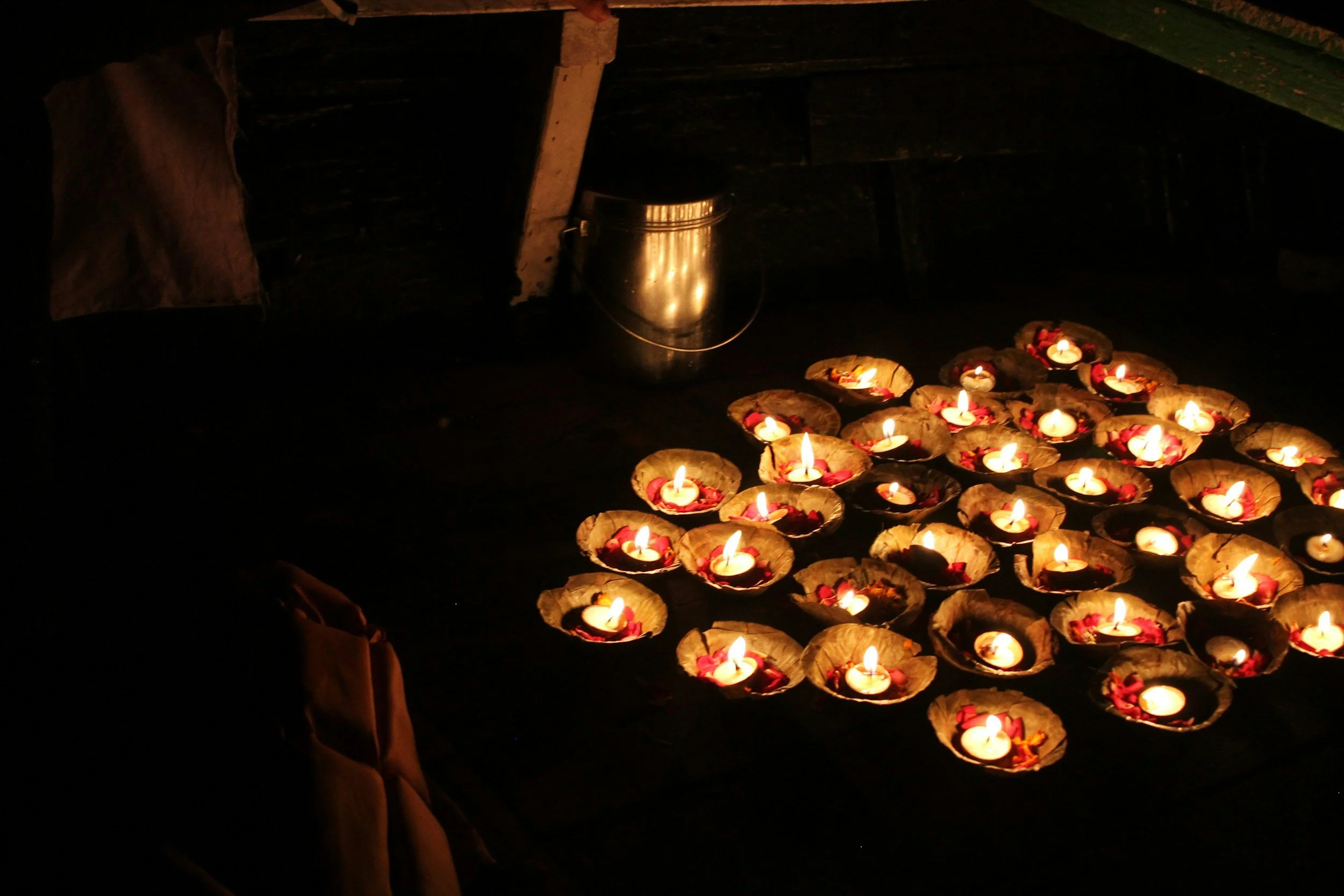
Sufis describe this as the state of spiritual heat:
The soul no longer seeks emotional reassurance or intellectual understanding.
It becomes anchored in longing—an ache that is no longer painful but steady and alive.
The spiritual pull becomes gravitational, quietly intensifying the soul’s orientation toward God.
Examples:
A person might feel a deep internal pull toward silence and solitude—not as avoidance, but as a call.
Prayer may become less about asking and more about resting in God’s presence, even when nothing “happens.”
External success or failure may become irrelevant—the soul’s orientation has shifted toward something beyond achievement.
The transition from qalb to fu’ād mirrors the shift from seeking to finding. The heart begins to taste surrender—not as a loss, but as a deeper form of knowing.
The lover’s fire is not yet all-consuming, but it is beginning to take hold.
Psychological Parallels: Ego Death and Trust
After the phase of ego inflation in the Third Dwelling, the psyche begins to loosen its grip—moving from integration toward a potential ego -dissolution or -death. The seeker has faced the shadow and developed greater psychological wholeness.
Ego loosening is a sign of the ego’s strength and health.
Without this foundation, the whole process stands on shaky ground—
And at worst, the seeker may become overwhelmed, resulting in a shift in consciousness that the psyche compensates for through psychosis.
A healthy ego is different from a rigid, resistant-to-change ego. It welcomes challenge and approval with equanimity and leans on growth, feedback, and transformation.
By contrast, a rigid ego resists change and suffers from compounded ignorance: not knowing, not knowing that it doesn’t know, and believing it does. Dangerous.
The triple entanglement of not knowing.
In Buddhist thought, it maps onto avidyā (ignorance)—particularly the kind that obstructs liberation by misperceiving the nature of reality and believing that misperception is correct.
But at this stage, the ego must release even the idea of wholeness.
Integration comes not through effort, but through surrender.
Someone who has spent years in therapy or spiritual practice may suddenly realize that growth is no longer about “working through” issues—
it’s about letting go of the need to control the outcome.
The shift happens when the person stops trying to fix themselves and begins to trust that healing is unfolding beyond their effort.
The Fourth Dwelling as the Middle Path
This stage marks the middle of the journey—standing at the threshold between effort and grace. The soul has grown through discipline and self-reflection, but now it faces the invitation to let go.
The Fourth Dwelling is the pivot point: from control to trust, from striving to surrender.
This is where the soul shifts from self-reliance to Divine reliance.
The Sufis would say that the human will is now beginning to align with the Divine will—but it is not yet fully dissolved. The ego’s remnants still resist full abandonment, however.
The paradox is that the more the soul surrenders,
the more it receives.
The temptation to control the experience remains, but the path forward lies not in effort—but in deepening trust.
Challenges of the Fourth Mansion
Subtle Pride—the temptation to take credit for stillness or clarity.
Attachment to the Gift—mistaking experience for the destination.
Fear of Emptiness—if inner stillness fades, the ego may panic.
Resistance to Letting Go—surrendering spiritual effort itself.
Keys to Progress
Rest in Stillness—allow the stillness to remain.
Resist Ownership—accept that spiritual gifts are given, not earned.
Release the Feeling of Nearness—no connection between our own personal inner states and God’s presence.
Trust the Process—even if all fades, grace moves more subtly.
Embrace Silence—prayer becomes less asking and more resting.
The Threshold of True Surrender
The soul enters a deeper intimacy with God, experiencing the “prayer of quiet,” where Divine love captivates the will. This stage brings peace but also requires deeper surrender.
To progress, the soul must release even the desire for union. True union cannot be forced; it can only be received.
The Fourth Dwelling is the heart’s turning point—the middle of the spiritual path, where the soul stands at the threshold of deeper union.
The path forward is no longer about effort but allowing the Divine to lead.
| Aspect | Description |
|---|---|
| Spiritual Shift | The soul shifts from active prayer (effort) to infused contemplation (receiving). God begins to work within the soul directly. |
| Metaphor | The difference between drawing water from a well and receiving water from a flowing spring. |
| State of the Heart | Transition from qalb (spiritual perception) to fu’ād (the burning heart)—the emergence of deep longing and quiet presence. |
| Challenge | The ego may try to claim ownership of the experience; subtle spiritual pride may arise. |
| Path Forward | Deeper surrender—trusting Divine presence without trying to control or possess it. |
Fifth Mansion: Union Begins
In the Fifth Dwelling, the soul experiences the beginnings of union—not as a concept, but as a living intimacy with the Divine. The self is no longer the one seeking; it is now being drawn, carried, and touched by something beyond will, thought, or effort.
St. Teresa compares this stage to silkworms spinning cocoons, who then die—leaving behind the transformation that allows the butterfly to emerge. The ego, she says, cannot survive this stage intact. What is born is no longer the same soul that entered.
Here, the soul doesn’t just glimpse the Real—it begins to abide in it. Not always, and not entirely, but enough to know the taste.
This is where the line between the soul and the Divine begins to blur. The soul always knows it is not God but can no longer pretend it is separate.
From Longing to Union
In Sufi terms, the Fifth Dwelling transitions from the contented self (nafs al-muṭmaʾinnah) to the accepting self (nafs al-rāḍiyah). The heart is no longer clouded, and it receives direct guidance and an inner knowing that is not self-generated.
The ego no longer resists Divine reality—it begins to dissolve into it.
Though moments of separation still occur, they are fewer. The soul experiences a deeper rootedness in the Divine presence—the first real taste of non-duality, the realization that separation was always an illusion.
At this stage, the soul is content with Divine decree in all circumstances.
A deep inner peace takes hold, unaffected by life’s ups and downs. The soul no longer reacts with resistance but lives entirely in the present, unburdened by the past or the future.
There is a genuine acceptance of Divine will, an absence of resentment, and a profound surrender rooted in love and trust.
The Silkworm and the Butterfly
St. Teresa compares this transformation to a silkworm becoming a butterfly—a symbol of profound change:
The silkworm labors to create its cocoon, symbolizing the soul’s earlier reliance on effort and discipline.
The cocoon stage reflects the soul’s period of stillness—it appears lifeless as the ego and self will dissolve.
Finally, the butterfly emerges—transformed, light, free, no longer crawling on the earth.
The silkworm works; the butterfly receives. The butterfly symbolizes the shift from doing to being. The soul no longer relates to God through effort but through direct presence.
In Sufi terms, this reflects the early stages of annihilation (fanā)—the ego’s final dissolution. The old identity dissolves, but what emerges is not emptiness—it is fullness in the Divine.
The Secret Heart
The Fifth Dwelling corresponds to the heart’s movement from the burning heart (fu’ād) to the secret core (sirr).
The fu’ād reflects the heart consumed by longing—the burning intensity of Divine desire. But in the Fifth Dwelling, the fire of fu’ād completes its work.
The heart enters the state of sir—the secret—where the union is no longer an experience but a state of being.
The heart becomes a secret known only by its Beloved.
A person who once prayed intensely, seeking emotional closeness to God, now sits in stillness without needing words. The longing for God doesn’t disappear—it quiets into presence.
The person no longer asks, “Where is God?” because there is no longer an “I” distinct from God. The tension between seeking and being dissolves in the sirr.
The ego burns away while the heart becomes a vessel emptied of selfhood yet alive with the fullness of God—not through force, but through love and the realization that identity itself was always secondary to the deeper ground of Being.
Psychological Parallels: Ego-Self Integration
No direct psychological parallel exists to the state of ego completely dissolving, as described in mysticism or Eastern traditions. However, Jung, in Memories, Dreams, Reflections, writes:
When the soul embraces the larger whole, the ego becomes small. Not because it is extinguished but because it is integrated into a more comprehensive reality.
Jung suggests that the ego becomes less of a separate structure after individuation and more of a vessel for the Self’s expression. It’s not ego death—it’s ego alignment with the deeper reality of the Self.
Someone who has done deep inner work—therapy, shadow integration, trauma healing—may suddenly realize that healing is no longer about effort.
The impulse to “fix” oneself dissolves.
Instead of striving for healing, the person rests in quiet acceptance.
So, while Jung wouldn’t call it “ego dissolution,” there’s a softening of ego boundaries after individuation—a shift from separateness to participation in a larger whole.
No direct psychological parallel exists to the state of ego completely dissolving, as described in mysticism or Eastern traditions. However, Jung, in Memories, Dreams, Reflections, writes:
“When the soul embraces the larger whole, the ego becomes small. Not because it is extinguished but because it is integrated into a more comprehensive reality.”
Jung suggests that the ego becomes less of a separate structure after individuation and more of a vessel for expressing the Self.
It’s not ego death—it’s ego alignment with the deeper reality of the Self.
Someone who has done deep inner work—therapy, shadow integration, trauma healing—may suddenly realize that healing is no longer about effort. Instead of striving for healing, the person rests in quiet acceptance.
The impulse to “fix” oneself dissolves.
So, while Jung wouldn’t call it ego dissolution, there’s a softening of ego boundaries after individuation—a shift from separateness to participation in a larger whole.
Western Psychology versus Spiritual Traditions
Western psychology, particularly in its modern secular form, has primarily removed God or any form of higher consciousness from the equation, making the axis the self and its fulfillment the highest organizing principle.
On the other, in other contemporary frameworks that make study consciousness—especially transpersonal and psychedelic approaches—there’s an increasing trend toward romanticizing ego death as awakening.
This narrative is heavily propagated on Instaspirituality.
But this approach can be abrupt, even harmful to the psyche—especially to a Westernized one. When the ego is shattered prematurely, it can lead to dissociation, fragmentation, or even a spiritual emergency or psychosis.
Worse still, this model lacks compassion for the fragile human parts of the self.
By contrast, in Sufism, the ego is not the enemy. Unless neglected for years or fed only desires, it becomes like an undomesticated horse.
Refinement is cultivated through remembrance (dhikr) and letting go of the past and future. The goal is not ego death but ego transparency—to become a vessel for Divine will rather than a source of self-centered striving.
The Qur’an acknowledges this human vulnerability:
Allah wants to lighten (your burdens), for humankind were created vulnerable.
(Qur’an 4:28)
Recognizing this weakness fosters humility and a deeper reliance on Divine mercy.
Challenges of the Fifth Mansion
Subtle Identification—the ego may attempt to claim this new state as a personal achievement.
Loss of Closeness—if the feeling of tasting union fades, the ego may panic and believe it was “lost.”
Temptation to Seek Experiences—the ego may try to recreate the sense of union through effort.
Fear of Full Dissolution—the last traces of selfhood resist release.
Keys to Progress
Allow the Gift to Be Received—resist chasing experiences.
Detach from Feeling—emotional states do not define God’s presence.
Stay Rooted in Humility—union is a gift, not an achievement.
Embrace Emptiness—the absence of presence is part of the process.
Let the Ego Dissolve Fully—allow the self to fall away. Drop it.
The Threshold of True Union
This is not yet the final stage, but the foundation has been laid.
Once defined by its seeking, the soul has become the ground upon which Divine presence rests. The old self has died, but what emerges is not emptiness but life itself.
The Fifth Dwelling marks the quiet center of the path. The soul has tasted union, but the final surrender still awaits. What lies ahead is no longer about striving but resting in what has already been given.
| Aspect | Description |
|---|---|
| Spiritual State | The soul moves beyond longing into the first real taste of union with the Divine. |
| Symbolism | "The Spiritual Betrothal" – A deep but not yet final merging with God. |
| State of the Heart | Transition from qalb to fu’ād – the burning heart melts the ego’s last defenses. |
| The Secret (Sirr) | The heart dissolves at the level of the sirr, where duality disappears, and only Divine presence remains. |
| Challenge | The subtle temptation to claim union as a personal achievement rather than a gift of grace. |
| Path Forward | Deeper surrender—resting in Divine presence without seeking to grasp or possess it. |
I wrote this piece feeling into what St. Teresa describes in the Fourth Mansion—those fleeting, overwhelming moments when silence becomes presence, and the fire is not imagined but lived. I have only touched it a few times in my own practice, but when I do, it feels like this:
There where Love is
and no reason to strive
or strife
and no passage of time—
only joy.
Am I coy,
or is this love within Love —
transcendent of words and space,
ad infinitum?
Is this it?
This is it.
Here, there is no
need to trust or surrender.
There is
you and
You.
The Sixth Dwelling: Longing and Suffering
In the Sixth Dwelling, the soul is fully settled into the sirr (the secret)—where striving and seeking have given way to quiet subsistence in the Divine. But this settling is not the final state. It is a deep, paradoxical place where the soul is now ready to go further—toward an even more intimate union.
The soul transitions from nafs al-rāḍiyah (the pleased soul) to nafs al-marḍiyyah (the self that pleases God). If rāḍiyah represents the soul’s contentment with Divine will, marḍiyyah represents God’s reciprocal acceptance of the soul.
The soul becomes a living vessel of Divine presence. The self has become transparent. The soul no longer resists; it moves effortlessly in harmony with God’s will.
The self has dissolved to the point where its movements are no longer distinct from the Divine will. The heart is no longer merely receptive—it has become a conduit for the Divine.
In the Sixth Dwelling, the soul is fully settled into the secret core of the heart, sirr—where striving and seeking have given way to quiet subsistence in the Divine. But this settling is not the final state. It is a deep, paradoxical place where the soul is now ready to go further—toward an even more intimate union.
The soul transitions from accepting (nafs al-rāḍiyah) to the self that is now accepted by the Divine (nafs al-marḍiyyah). If rāḍiyah represents the soul’s contentment with Divine will, marḍiyyah represents God's reciprocal contentment with the human soul.
A state of utter attentiveness within reverence within Majesty.
The soul is now a living vessel of Divine presence, transparent rather than dense. It no longer resists; it moves effortlessly in harmony. Its movements are no longer distinct from Divine will.
The heart is no longer merely receptive—it is now a conduit.
Suffering as Purification
St. Teresa describes this stage as one of intense suffering and grace. The soul experiences Divine presence in an almost unbearable way—like being pierced by an unseen arrow, wounded by a love too great for human containment.
This is not romanticized longing—it is the swift dissolution of selfhood in the face of the Real.
A person in deep prayer might feel overwhelmed by God's intense presence—not as comfort but as a force breaking them open from within. The presence becomes so vast that the self cannot hold it—it burns away the last defenses of ego and individuality.
The person may feel simultaneously destroyed and held—obliterated by the intensity of love yet sustained by it. Pure paradox.
The deeper the soul enters, the less of itself it can hold onto. The intensity of longing becomes the fire that burns away the last vestiges of ego. The soul is not asking for anything; it has already been given more than it can bear.
There is no longer the desire for union—it is being undone.
Sufis speak of this stage as the complete annihilation of the self (fanāʾ al-nafs)—whereas the Fifth Dwelling marked only its beginning. But at this level, even annihilation becomes irrelevant. The soul is no longer preoccupied with its undoing—it is simply dissolving.
The sense of separation is gone—not because one feels united, but because the concept of separation has dissolved.
Silence is no longer an absence—it is a presence.
The Butterfly Disappears into Light
Teresa describes the soul here as a silkworm that has already died. The cocoon has dissolved. The butterfly has emerged—but this emergence is not triumphant.
The soul does not rise in glory; it disappears into the light—much like Al-Hallāj, the well-known ecstatic mystic executed for his utterances. Among them was his most controversial declaration: I am the Truth (Anā al-Ḥaqq).
Some scholars interpreted this as a shaṭḥ—an ecstatic utterance spoken from a state of spiritual intoxication, and therefore to be excused or even revered as a sign of mystical union.
Others, particularly from the exoteric tradition, deemed it heretical, a blasphemous claim of Divinity. His words became a dividing line—between those who saw in them the dissolution of self into Divine presence and those who saw only the violation of theological boundaries.
Nonetheless, this is the dwelling where the fear of loss becomes the love of disappearance—a highly subtle form of ego attachment that must also be surrendered.
This is not the end—but the soul no longer cares for endings. It is the fire itself.
And the burning completes.
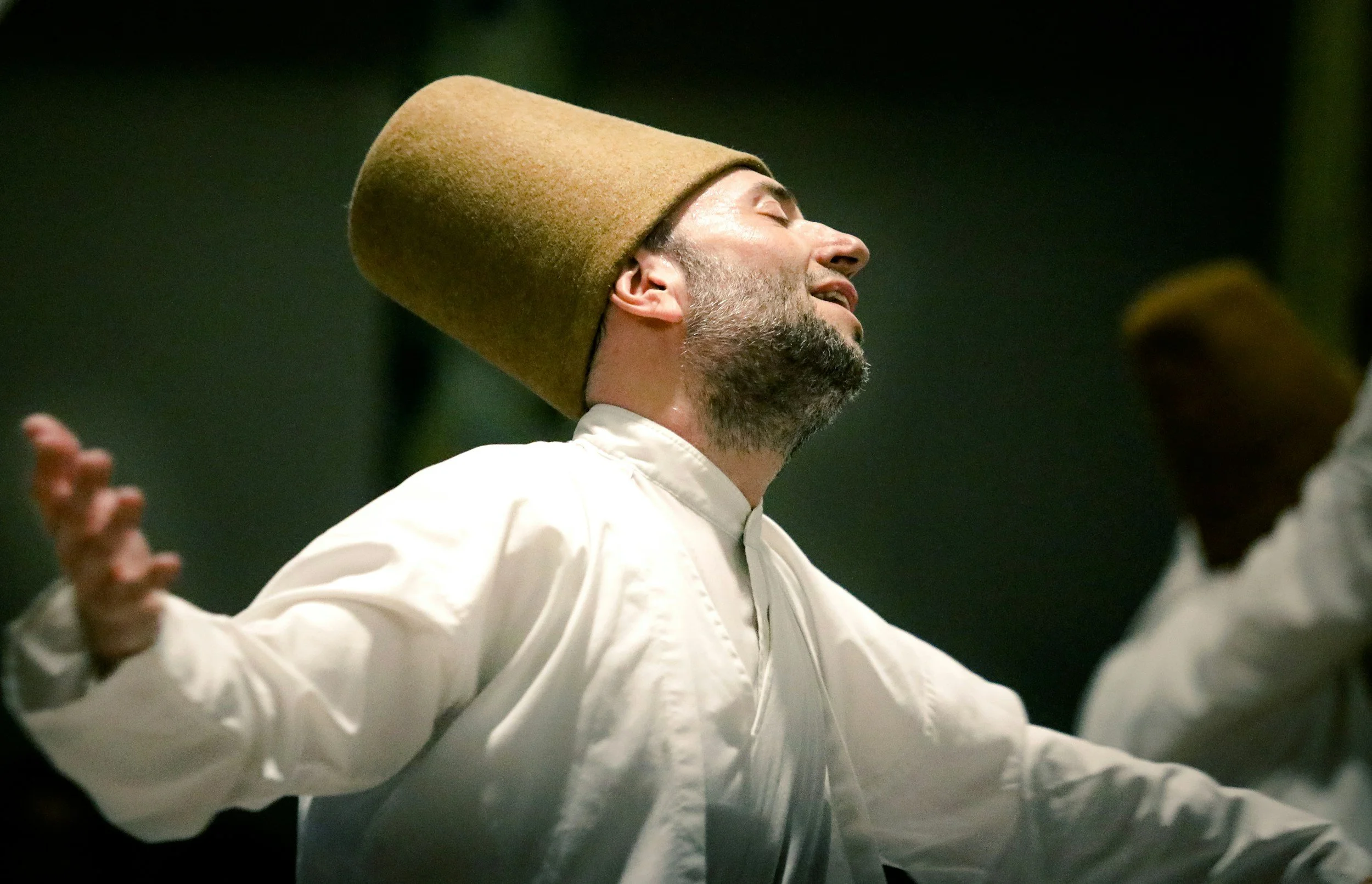
The Sixth Dwelling marks the heart’s complete passage from the burning heart or fu’ād to the sirr, the secret.
The fu’ād is the seat of deep spiritual longing—the heart that burns with the fire of Divine desire.
The heart takes root in the state of sirr—the secret.
A person who once longed intensely for God now feels no distance—yet there is no emotional “closeness” either. The sense of self dissolves, but what remains is not emptiness—it is a quiet fullness.
The person’s actions no longer arise from personal desire but from effortless alignment with Divine will. The heart becomes a polished mirror—reflecting not itself but the Face of God. The soul no longer distinguishes between itself and the Divine will.
There is no resistance, no seeking—only quiet alignment.
Transcendent Function
Jung’s concept of the transcendent function describes the process by which the ego integrates unconscious material, leading to greater psychological wholeness. It’s not about dissolving the ego but repositioning it in relation to the Self.
He saw this as a natural unfolding that occurs when opposing forces—conscious and unconscious, light and shadow—are held in tension without collapsing onto either side. This creates the necessary pressure for transformation, allowing the ego to shift from control to participation.
Jung described the transcendent function as revealing the authentic Self beneath the conditioned ego.
Someone who has done deep inner work—therapy, shadow integration, trauma healing—may suddenly realize that healing is no longer about effort.
The impulse to “fix” self and others dissolves.
Challenges of the Sixth Mansion
Fear of Dissolution—the ego’s final resistance may surface as subtle anxiety.
Temptation to Hold On—the ego may attempt to identify with this state.
Loss of Motivation—without longing, the soul may feel unmoored.
Residual Selfhood—remnants of selfhood may surface as subtle resistance.
Keys to Progress
Let Go of Clinging—even to emptiness itself.
Rest in Stillness—the heart no longer needs to seek more profound silence.
Trust the Loss of Self—dissolution is not death but a whole life.
Move Without Effort—the soul aligned with the Divine will act naturally.
Accept the Quiet—longing has given way to peace.
The Threshold Before Union
This is the threshold before the complete union.
St. Teresa describes the soul at this stage as no longer walking because no one is left to take the next step.
There is no longer a need to reach God because the distance has disappeared.
There is only God. The seeker is gone.
Only the path remains.
| Aspect | Description |
|---|---|
| Spiritual State | The soul moves from nafs al-rāḍiyah (the pleased self) to nafs al-marḍiyyah (the self pleasing to God). The self has dissolved, and the soul exists as a vessel for Divine presence. |
| State of the Heart | The heart transitions from fu’ād (the burning heart) to sirr (the secret). The fire of longing has subsided into quiet transparency. |
| Suffering and Grace | The soul experiences intense suffering and grace simultaneously—pierced by Divine love, wounded by the immensity of God’s presence. |
| Sufi Concept | This is the stage of fanā’ al-nafs (the annihilation of the self). The soul dissolves into God’s presence without resistance or effort. |
| Psychological Parallel | Jungian individuation gives way to complete ego dissolution. The psyche becomes fluid, no longer organized around identity. |
The Seventh Mansion: Spiritual Marriage
In the Seventh Dwelling, St. Teresa describes the soul’s final state of union with God—not longing or seeking but settled intimacy.
The soul has moved beyond the trials of the earlier mansions, beyond the intense suffering and longing of the Sixth Dwelling, and now abides in stable union with the Divine.
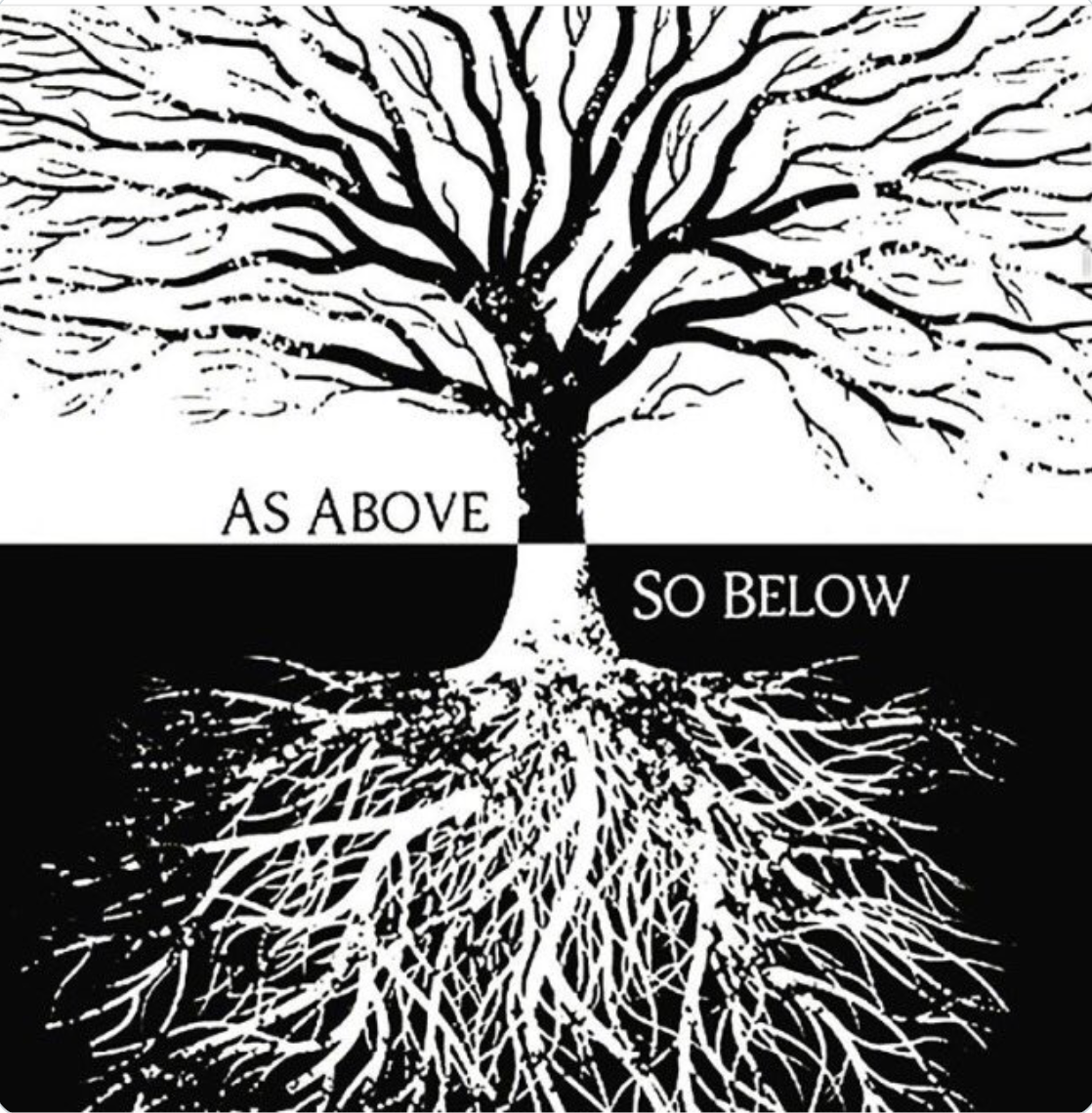
St. Teresa calls this the spiritual marriage (desposorio espiritual)—a final state of the union where the soul no longer perceives separation from the Divine. There are no veils, no duality, or no distinction between the lover and the Beloved.
In Jungian terms, this may be likened to the archetype of hieros gamos—the sacred marriage between opposites, often represented as the inner union of masculine and feminine principles in our psyche, the conscious and unconscious.
Yet, for Teresa, spiritual marriage is not simply inner integration—it is the soul’s complete surrender to Divine presence.
The self does not merely become whole; it is consumed by love, emptied of selfhood, and filled with God. The soul no longer seeks union—it has become union. Not as a perfected individual but as a vessel in which only the Divine remains.
Where hieros gamos heals the split within, spiritual marriage annihilates the self into something higher. The former is a union of inner polarity; the latter is a subsistence in Divine presence, not as a perfected individual but as a vessel emptied of everything but God.
From Seeking to Being
At this stage, the heart is fully settled into the station of sirr (the innermost secret). To review, the heart progresses through:
The sadr (outer heart)—where knowledge first enters.
The qalb (spiritual heart)—where perception deepens.
The fu’ād (burning heart)—where longing consumes the self.
The sirr (secret heart)—where selfhood dissolves in Divine presence.
The sirr al-sirr (secret of the secret)—the self annihilates in Divine union.
The heart has reached sirr al-sirr—the secret of the secret. The heart is no longer just a secret of the Beloved; it is the secret of the Beloved.
The fire of the fu’ād that once drove the soul forward has quieted into stillness. The ego, already burned away in the crucible of the Sixth Mansion, no longer resists or clings to experience.
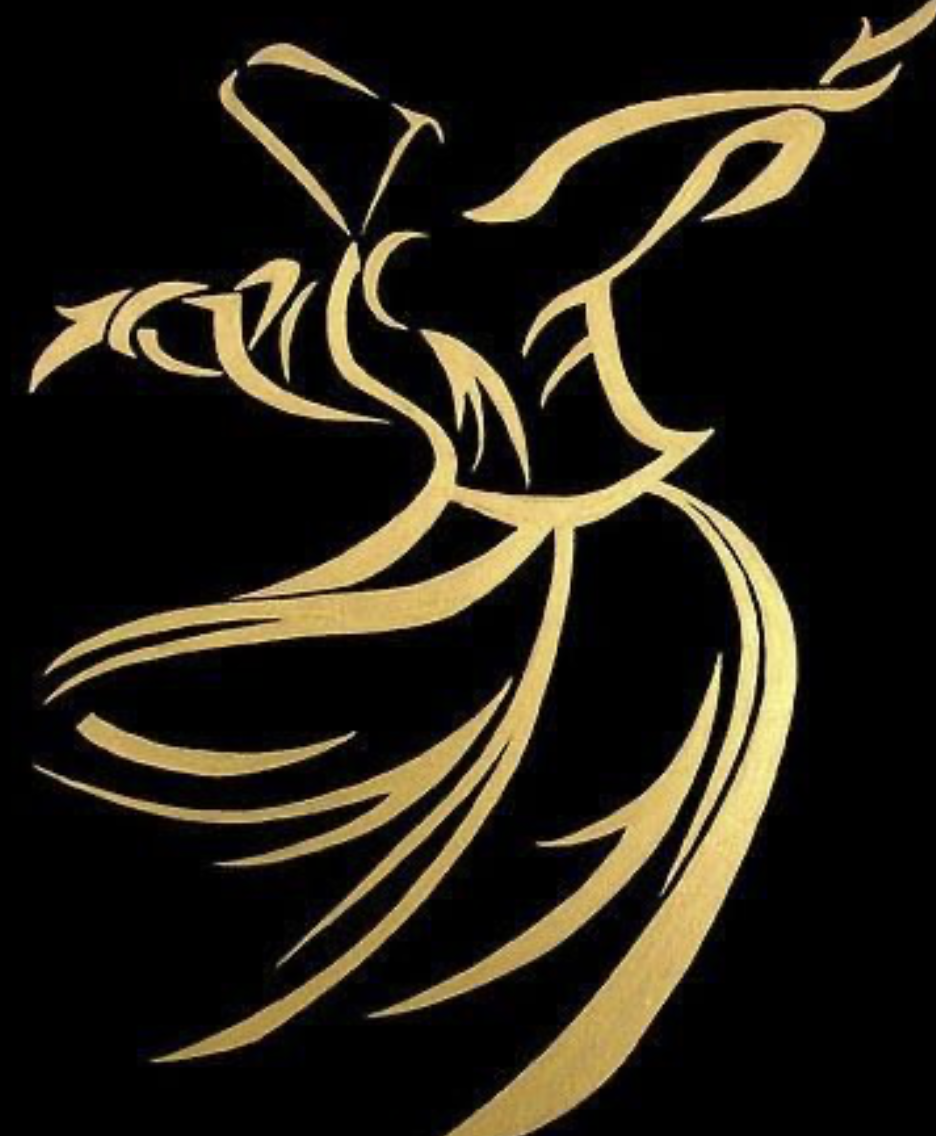
Examples:
A person who once sought reassurance from prayer now sits in silence without effort and finds presence within prayer.
They no longer search for spiritual experiences or emotional closeness to God.
Whether in stillness or action, they feel no difference—because they are no longer distinct from the current of the Divine.
Baqā’—Subsistence in God
Sufis describe this state as baqā’—subsistence in God—the stage after fanā’ (annihilation). In fanā’, the self is dissolved; in baqā,’ the self is restored—but no longer as an independent center of identity.
The self now exists only as a vessel for Divine presence. The mystic becomes a mirror through which the Divine gaze reflects. What was once experienced as seeking has become a simple, profound being.
This is the Sufi paradox: the self is lost, yet it remains—but now as a reflection of God's will, not an autonomous entity.
Transcendent Function Maturation
This stage echoes what Jung described as the transcendent function—the process by which the psyche bridges conscious and unconscious, allowing a new, emergent attitude or symbolic integration to arise. It is not a linear goal but a living tension between opposites—an alchemical process that transforms the self by holding the paradox that is life.
As individuation deepens, the ego loosens its grip. Having confronted shadow, integrated split-off parts, and weathered psychic dismemberment, it becomes more transparent—less driven by control and more attuned to the Self.
Once protective and reactive, the ego becomes a vessel: not erased but repositioned as the organ through which the Self perceives and acts.
Post-Jungian thinkers such as Hillman, Fordham, and Edinger expanded this vision. They emphasized that the transcendent function is not a final stage but an ongoing capacity that holds the creative tension between inner and outer, conscious and unconscious, sacred and mundane. It is not the end of transformation but the very means by which the psyche is continually renewed.
Jungians remain grounded in symbolic and psychological language. The soul is not lost in transcendence—it animates the world with meaning.
Still, for those steeped in mystical traditions, this psychic openness may mirror what Sufis call baqā’: not the obliteration of self, but its reconstitution as a vessel of Divine presence. It somewhat finds the middle ground between transcendence and being in the world of forms.
A person who once acted from a need for validation now moves spontaneously, without attachment to the outcome. Their actions arise from inner stillness, not fear or desire.
The ego no longer acts; the Self moves.
Radical coherence and a life lived from the center.
Life as Prayer, Being as Light
This state of spiritual marriage reflects a radical ontological shift.
In the Sixth Mansion, the soul still longed for God—reaching toward union and tasting joy and suffering in that yearning. In the Seventh Mansion, the search is over. The soul no longer relates to God as “other”—it becomes presence itself.
The mystic becomes a conduit for Divine action:
The mystic’s life becomes a prayer.
The need for inner reassurance fades.
Even gratitude transforms from expression into silent, abiding awareness.
Lover and the Beloved—ONE.
Teresa writes that the soul “knows and understands” the Divine not through intermediaries or signs but through direct encounters.
Sufis would describe this as the state of nafs al-kāmilah—the whole or complete soul—the heart that, having passed through the fire of longing, now rests in luminous subsistence.
A person who once searched for their life’s purpose lives it.
Life becomes the purpose in and of itself. They move through the world—appearing ordinary yet inwardly immersed in ceaseless remembrance (dhikr).
Challenges of the Seventh Mansion
Letting Go of Experience—the ego may still try to hold on to mystical visions.
The Temptation to Return to Seeking—because old habits die hard.
Absence of Drama—disorientation may arise from the lack of struggle.
Loss of Distinction—the ego may subtly try to reclaim identity.
Keys to Completion
Release All Attachment—even to the idea of Divine union itself.
Let the Self Dissolve—action arises from stillness, not from will.
Allow Silence to Speak—direct encounter with God, beyond language.
Trust Simplicity—wholeness, clarity, transparency.
Move Without Effort—complete alignment with the Divine will.
The Drop in the Ocean
St. Teresa writes that outward signs no longer accompany this union. The mystic does not seek visions, emotions, or spiritual gifts. The soul moves with a quiet certainty—free from the need to prove, perform, or even understand.
It is like a drop of water merging into the ocean: no longer distinct, yet not lost.
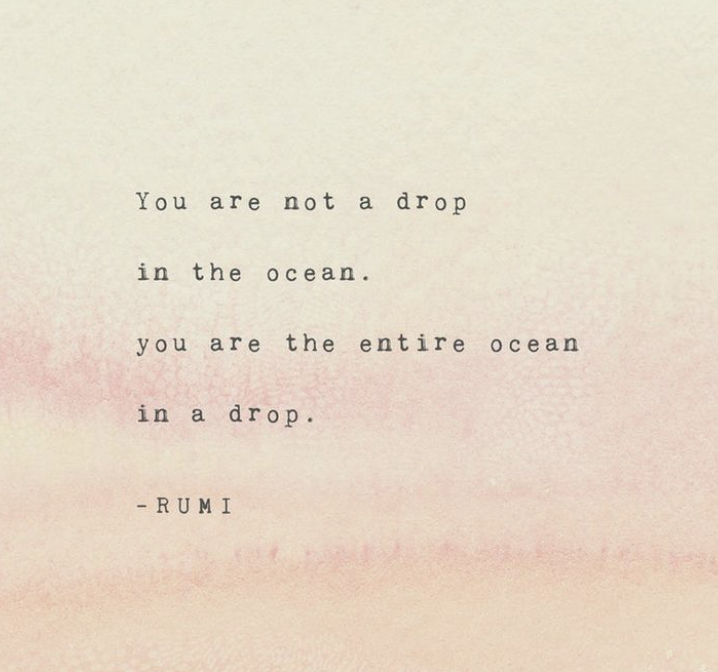
The drop does not disappear—it becomes the ocean.
The mystic no longer perceives union—it is union. There is no ecstatic longing, the grip of overwhelming unconscious suffering.
The soul no longer asks, “Where is God?”—because there is no longer an “I” to ask.
Subsistence—the radiant presence of God resting in the heart.
| Aspect | Description |
|---|---|
| State of the Soul | The soul abides in stable and permanent union with the Divine; longing and seeking have ceased. |
| Symbolism | Teresa’s spiritual marriage reflects the Sufi concept of hieros gamos and baqā’ (subsistence in God). |
| State of the Heart | The heart is fully settled into the station of sirr (secret), having moved beyond the fire of longing (fu’ād) into stable intimacy. |
| Challenge | There are no longer obstacles; the challenge is to sustain the quiet state of being without returning to striving. |
| Path Forward | No further action is needed. The soul lives in ceaseless remembrance (dhikr) and quiet intimacy with God. |
The Eye of the Heart: Al-Būnī’s Esoteric Cartography
Moving to the center of the metaphysical heart, Aḥmad al-Būnī (d. 1225)—the master of Islamic occultism and esoteric sciences—offers one of the most profound and intensely subtle understandings of the heart’s role in spiritual ascent. In his cosmology, the heart is the seat of spiritual sight (baṣīrah), through which the seeker perceives Divine realities directly.
Al-Būnī describes the heart as having three distinct chambers, each corresponding to progressively deeper states of perception and proximity to the Divine.
These chambers mirror the layered structure of reality itself: the outer material world, the imaginal realm of symbols, and the hidden world of unity. This esoteric framework offers a metaphorical model and maps an actual interior topography of spiritual consciousness.
The Three Chambers of the Heart
1. The First Chamber | The Seat of Knowledge (‘Ilm) and Speech
The outermost chamber is bound to intellectual knowledge (‘ilm) and sensory perception. It corresponds to ʿālam al-mulk—the world of physical reality, speech, and form.
Here, the heart is illuminated by the letters of the Divine Names (ḥurūf), which shape spiritual awareness through language, prayer, and reflection.
This is the station of disciplined practice and structured knowledge. Though bound by form, it holds the potential for revelation—as al-Būnī teaches, speech is the first descent of revelation before it settles as understanding.
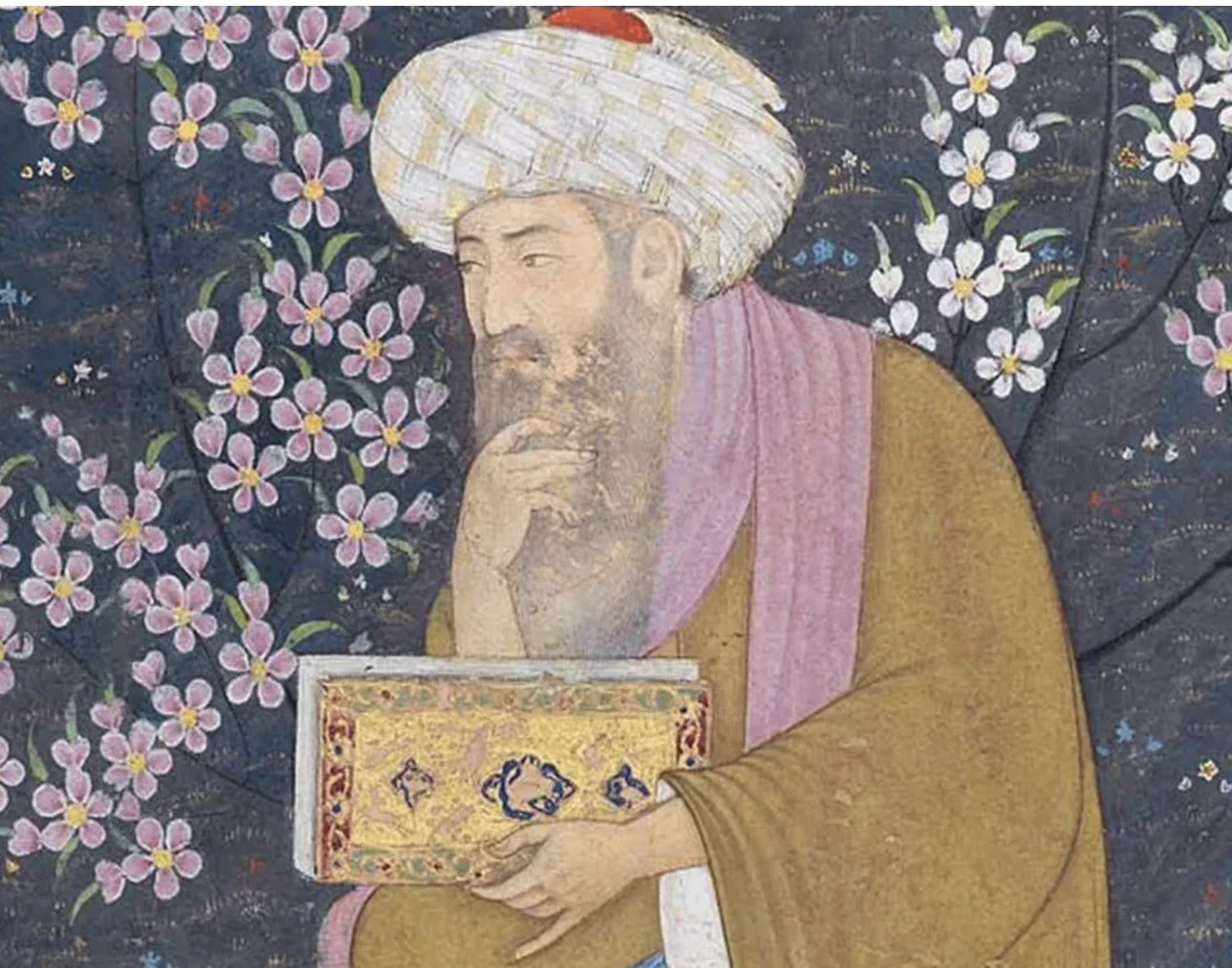
Affection resides in the heart and reveals the worlds of the heart. —Al-Būnī
2. The Second Chamber | The Seat of Understanding and Imaginal Vision
The middle chamber is more refined. It is the seat of inner peace (sakīnah) and imaginal perception (khayāl), where intellect and intuition converge to decode the symbolic language of the cosmos.
Here, the heart sees signs, reads the world with spiritual depth, and begins to discern unity beneath duality. This is the realm of visionary understanding—dreams, inner images, and archetypes.
It is also the seat of passion (‘ishq) and desire—the longing that drives the soul toward intimacy with the Divine. Al-Būnī teaches that this chamber’s eye is illuminated—a light distinguishing between truth and illusion.
The seeker begins not only to believe but also to see.
3. The Third Chamber | The Eye of the Heart (Baṣīrah) and Direct Vision
The innermost chamber is the most subtle and pure. This is the eye of the heart (baṣīrah)—the site of direct witnessing (mushāhadah). At this level, perception is not mediated by intellect or image but as pure presence.
Here, duality disappears. The seeker does not interpret God—they see God.
Al-Būnī links this chamber to heat—the burning of longing that dissolves the self in fanā’. The heart becomes the sirr, the secret place where Divine union occurs—not metaphorically, but ontologically.
Perception becomes effortless. The seeker no longer distinguishes between “self” and “God,” between “knowing” and “being.” The heart becomes transparent, a vessel through which Divine reality is reflected without distortion.
In this state, the eye of the heart feels the Real—not as a symbol, but as essence.
The Heart as the Seat of Divine Command
Al-Būnī links these three chambers to the structure of revelation:
The first chamber corresponds to the Spirit of Divine Command—speech, form, and sacred law.
The second to the Holy Spirit—intuition, vision, symbolic perception.
The third to the Trustworthy Spirit (Rūḥ al-Amīn)—direct experience of Divine presence.
When fully awakened, the heart functions on all three levels:
The mind reflects Divine Order
The soul reflects Divine Beauty
The heart reflects the Divine Presence
At this point, the heart no longer acts—it reflects.
The eye of the heart is not merely a mystical metaphor. It is the faculty of truth-seeing, the center where the veil is lifted, where Reality becomes self-evident.
It is, as Meister Eckhart described, “the silent desert”—emptied of ego, full of God.
Psychological Work as a Spiritual Foundation
Deep spiritual work cannot bypass psychological healing. Jung understood that individuation is not possible without addressing emotional fragmentation. A seeker who attempts to awaken the heart without confronting trauma, unconscious patterns, or wounding risks spiritual inflation—mistaking mystical insight for spiritual mastery.
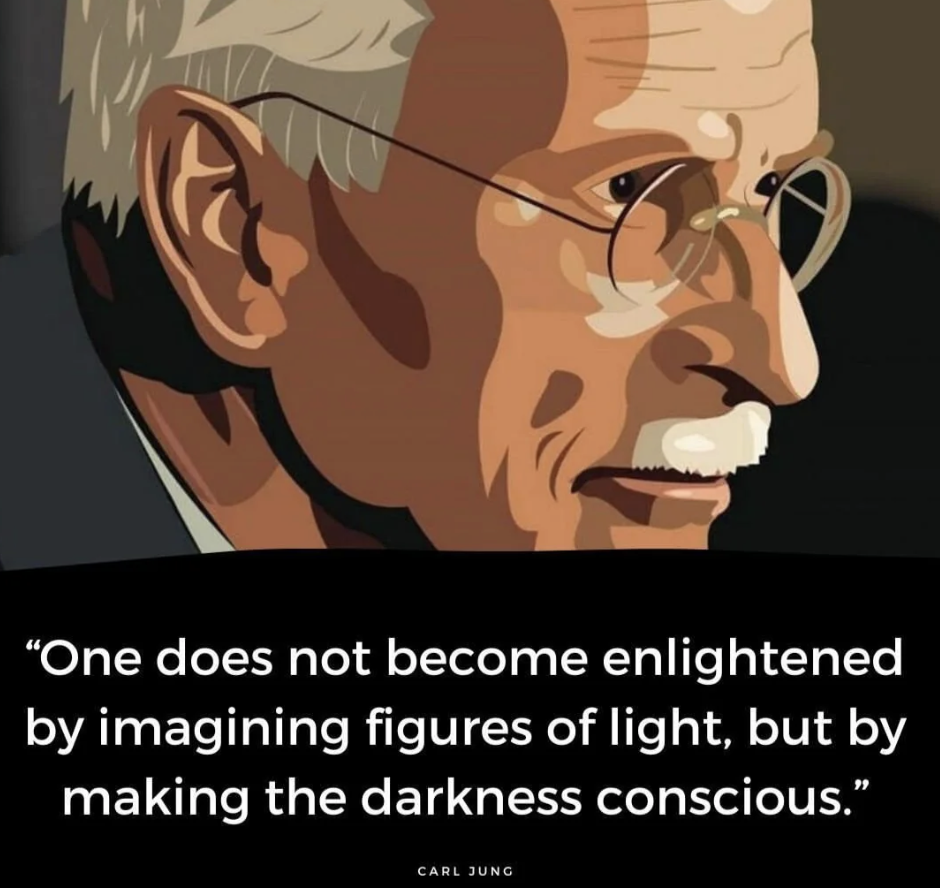
Many attribute internal struggle to spiritual challenges when, in fact, they are encountering unresolved psychological material. Without integration, spiritual experiences remain fragile—vulnerable to distortion or collapse.
All Sufi scholars agree that the heart (qalb) cannot reflect Divine Light until it is cleansed of the veils (ḥujub) created by the ego and unprocessed psychic material.
Ghazali lived and taught that confronting the compulsive parts of the soul (nafs al-ammārah)—those that cling to illusion and false pursuit—is essential for the heart’s awakening. His masterpiece On the Marvels of the Heart of the Iḥyāʾ is a marvel.
The heart resembles a clear mirror. Desires and worldly distractions are like smoke and rust that cloud its surface. When the heart is purified, it reflects Divine truths as they indeed are.
In this sense, therapy mirrors spiritual discipline. It creates a container where the ego’s grip can loosen, allowing the heart to perceive more clearly. It takes a certain kind of intelligence to recognize that therapy, when done sincerely, is the modern alchemy of the soul—hopefully, turning it into gold.
A skilled therapist may function like a guide, helping the seeker distinguish between authentic spiritual insight and psychological projection.
I’m speaking of deep soul work, however. Some therapeutic modalities are designed to address more immediate concerns—especially when safety is at risk.
That said, I want to emphasize that because therapy can create enough inner stability for the more profound unfolding of the heart, the therapist’s personhood matters. One can only meet another as deeply as they have met themselves.
Therapists must have their therapists. Period.
Psychological grounding is not a detour from the spiritual path but part of the purification process. Further, in some cases, medication can serve as a bridge. While it cannot heal the soul, it can stabilize the mind enough to soften the ego’s defenses.
Surrender requires a certain level of safety. In this context, medication is not weakness—it is mercy. It creates the stillness necessary for the unveiling of the heart.
Chishti: The Heart as a Mirror for Divine Love
Khwaja Moinuddin Chishti, one of the most influential figures in Sufism, deepens the understanding of the heart’s awakening by framing it as a layered journey through spiritual stations (maqāmāt) and states of consciousness (aḥwāl).
While many mystics spoke about the inner unfolding of the heart, it was Chishti who gave specific names to each layer: the ṣadr (outer heart), qalb (inner heart), fu’ād (burning heart), sirr (secret heart), and sirr al-sirr (innermost secret). These stages are metaphors for spiritual development and precise descriptions of how consciousness transforms as it draws nearer to the Divine.
Chishti’s teaching is not merely psychological—it is ontological. The unveiling of the heart reflects a transformation in the very axis of beingness, not just a shift in perception or emotion.
The spiritual stations (maqāmāt) mark degrees of existential change where the heart becomes progressively more transparent to Divine reality. The final state is not annihilation but transparency—where individuals no longer define themselves by selfhood but become instruments of Divine will.
However, this is where psychology is limited—not the reverse.
Where Jung’s individuation is psychological—a reordering of the psyche—Chishti’s unveiling is metaphysical: a shift in self-perception and the very fabric of being. Both point to the same truth: the most profound awakening requires surrendering individual identity to something greater.
Teresa and the Heart's Capacity to Hold Paradox
Teresa of Ávila reflects this same dynamic from the Christian mystical tradition. In her The Interior Castle, the heart is the site of purification and union with God. She writes:
The heart is like a well where one draws not water, but life itself.
Like Chishti’s and Jung’s, Teresa's heart holds the tension of opposites—joy and suffering, desolation and ecstasy—without collapsing into confusion. The heart’s capacity to hold paradox is central to the mystic’s path. For Teresa, surrender is not passive—it is the quiet strength that allows longing to become a union.
Please call me by my true names,
so I can hear all my cries and laughter at once,
so I can see that my joy and pain are one.Please call me by my true names,
so I can wake up
and the door of my heart
could be left open,
the door of compassion.
In his poem “Call Me By My True Names,” Thich Nhat Hanh discusses the door of compassion as open only because joy and pain are inseparable, the culmination of pure humanity.
A purified heart has its longing met again and again with the Divine.
Weil and the Heart as an Instrument of Attention
Simone Weil is a stunningly profound thinker, which I encountered while writing this journal reflection. She touches upon essential themes about cultivating heart awareness with more modern language. I intend to write about her work in a separate journal only because her writing is potent alchemy—it works on you.
Weil emphasizes that the heart’s most authentic capacity lies not in action or mere understanding but in profound attention. The level of attention she describes is so precise and subtle that, eventually, one’s consciousness becomes a prayer.
Imagine your whole being—your presence—becoming a prayer to the Divine.
"Attention is the rarest and purest form of generosity."
For Weil, attention is a form of direct perception—requiring stillness and receptivity without the urge to grasp, label, or control. This kind of openness is not an intellectual exercise; it’s an act of the heart—creating a void where grace can dwell.

Weil suggests that gravity corrupts the heart—the pull of base desires. But she does not advocate rejecting these desires. Instead, the task is to give them space—to fully feel the temptation and notice how the energy eventually runs out.
This creates an inner emptiness—a sacred void where grace can enter.
She calls this process transubstantiation—transforming lower impulses into spiritual openness. When the energy of desire is exhausted, grace emerges as one accesses a higher frequency.
Certain New Age circles encourage bypassing this deep inner work, promoting a kind of false transcendence that avoids the discomfort of confronting the shadow, distractions, and compulsive desires. Weil rejects this. True transcendence, she suggests, requires the courage to face inner emptiness rather than escaping into spiritual illusion.
Not to exercise all the power at one’s disposal is to endure the void. This is contrary to all the laws of nature. Grace alone can do it.
Grace fills empty spaces but it can only enter where there is a void to receive it, and it is grace itself which makes this void.
This understanding finds a harmonious echo in the teaching of the Prophet Muhammad (ﷺ):
"God is Beautiful, God loves beauty. God loves the loftiest of affairs and detests pettiness." (Sahih Muslim)
This hadith underscores that recognizing and embodying beauty—outwardly and inwardly—requires a sense of gravitas that cannot coexist with a toxic form of frivolity.
But levity is part of life and essential. Most wisdom traditions are filled with masters who teach the most profound truths through humor—one that arises from excellence, open attentiveness, and surrendered humility.
The Heart Across Traditions
The concept of the heart as the seat of perception and unveiling resonates across spiritual traditions:
Bhagavad Gita — In the Hindu scriptures, Krishna speaks to Arjuna’s heart, urging him to transcend fear and confusion by aligning with his truth. The battlefield is not only external—it is internal.
The Gita (15.15) states: "I am seated in everyone’s heart, and from Me come remembrance, knowledge and forgetfulness." The heart, therefore, represents the core of being where the Divine resides, calling us toward inner harmony.
Buddhist teachings — In Buddhist psychology, the heart-mind (citta) is central to spiritual awakening. The "jewel in the lotus" (Om Mani Padme Hum) symbolizes how compassion arises when the mind's clarity rests within the heart's tenderness.
Jack Kornfield reflects on this dynamic: “The mind creates the abyss, the heart crosses it.” The heart holds emotional depth and wisdom—liberation comes when both are balanced.
Jewish mysticism — The heart (lev) is where Divine commandments are inscribed—a covenant between the human soul and the Divine. Solomon wisely asks for "an understanding heart" (Binat HaLev) to judge the people by distinguishing between good and evil, innocent and guilty—discernment.
In Jewish tradition, the heart is the seat of wisdom and the vessel of emotion. A midrash lists over 60 emotions of the heart: "The heart sees, hears, speaks, falls, stands, rejoices, weeps, comforts, sorrows..." (Ecclesiastes Rabbah 1:16). The heart, then, is the center of both moral discernment and emotional depth—a place where Divine wisdom and human vulnerability meet.
The heart is more than an emotional center. It is where wisdom and compassion fuse. True alignment with the heart is not just emotional or intellectual—it is spiritual, centered on the core of being.
Conclusion
If each of these sacred traditions—so rich in language for the heart—calls us toward mercy, stillness, and truth…
If the Gita, the Gospel, the Quran, the Torah, and the Dhammapada all point to a deeper intelligence woven into the heart…
Then why, in God’s name, do our differences still blind us?
Why do we weaponize the very truths meant to liberate?
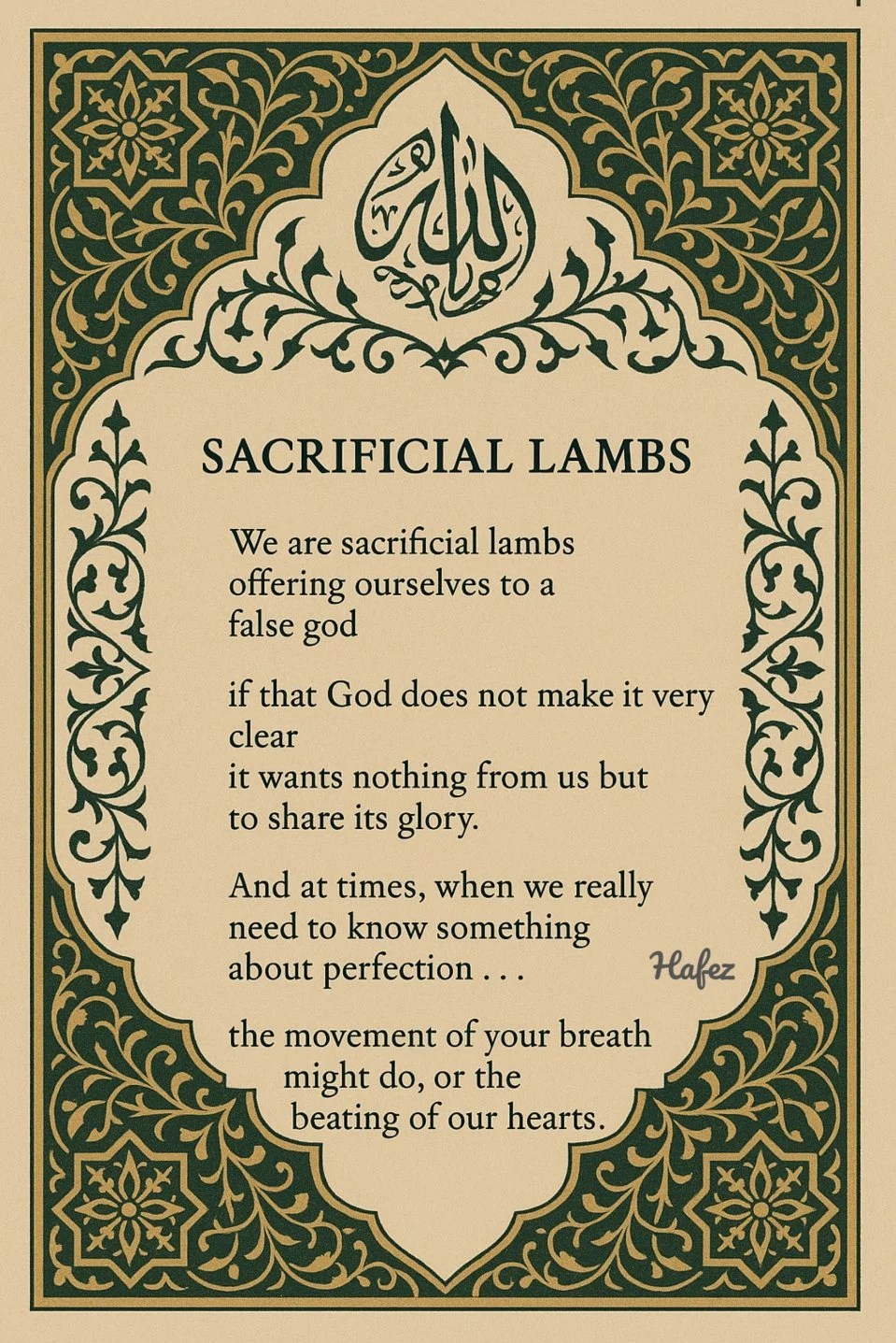
We claim to know the sacred, yet fear difference. We revere revelation yet forget the heart it was meant to awaken. Perhaps the greater tragedy is not disagreement but that we no longer know how to disagree with humility and stay present with difference without losing our humanity.
We speak of love, yet we struggle to stay in the room with those who break our narratives. We defend our truths so loudly that we can no longer hear the quiet call of the aching heart.
But the mystics always knew that the path to God is not built on the ruin of another’s dignity. It is built in silence, surrender, and a willingness to be undone.
I am simply trying to emphasize the importance of our humanity, and its center, it seems to me, is our heart.
Sacred paths reveal a pattern: the heart is the primary organ of meaning-making, a compass guiding the seeker through confusion toward clarity.
The path of the heart is not one of acquisition but of surrender. The polished heart reflects the face of God not because it strives for perfection but because it becomes transparent.
The soul becomes whole not when you become a spiritual master—instead when you become the master of surrender from the center of your being and into the center of your Being.
Thanks for reading!
If you have any comments, questions, or corrections, please

But they are not the final destination.